When does a tree become a safety risk?
Deciding to remove a tree is never an easy call. A mature tree adds shade, privacy, and character to a property. It can feel like cutting down a living piece of history. Yet there are moments when keeping a tree is the riskier choice. Knowing when that line is crossed helps you protect your home, your family, and your neighbours. This article walks through the main danger signs and explains why removal is sometimes the only sensible option.
The silent weight of a leaning tree
A tree that stands straight and balanced is generally stable. A lean, on the other hand, is your first clue that something has changed underground. A new lean often means roots have broken or the soil has shifted. After heavy rain or a storm, ground that was firm can turn to mud, and a tree that seemed solid can start to tilt. A lean that gets worse over weeks or months is even more concerning than one that appeared overnight. The root system is losing its grip. Once a tree leans past about 15 degrees from vertical, the risk of a sudden fall rises sharply.
Not every lean calls for immediate removal. Some trees grow at an angle from the start and stay that way for decades without trouble. The key difference is change. If you notice a lean that was not there before, or if the lean is increasing, it is wise to have a professional assess it. Arborists can check for root plate movement, soil condition, and signs of decay. If the structure is compromised, removal is the safer path.
Dead wood and dying branches
A tree that is dying does not always look dead. Leaves may thin out, branches may stop producing new growth, and bark may peel away in patches. Dead wood becomes brittle. In high winds, those limbs can snap and fall without warning. A dead branch the size of your arm can cause serious injury or damage. A whole dead tree can come down in a gust that would not trouble a healthy one.
Look for these signs of decline: large sections of missing bark, fungal growth like mushrooms or conks on the trunk or roots, and extensive dieback in the canopy. If more than half the crown is dead, the tree is unlikely to recover. In that condition, it is a hazard to everything around it. Removing it before it falls is far safer than waiting for nature to take its course.
Cracks, cavities, and decay
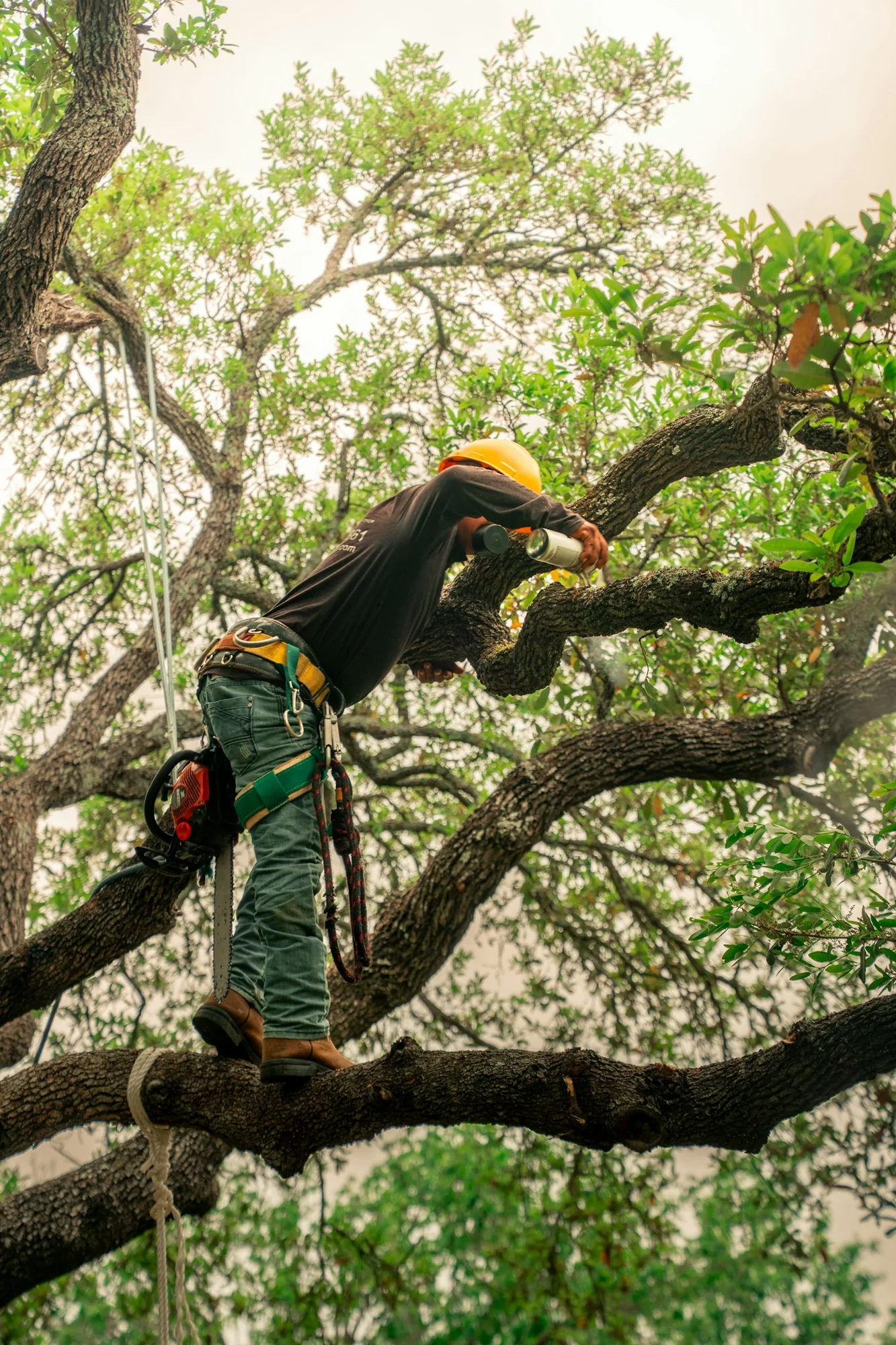
A crack that runs deep into the trunk weakens the tree’s structural strength. A vertical crack that goes through to the centre can split the trunk in two during a storm. Cavities, or hollow areas, are also a red flag. A tree can live with a small hollow for years, but when the hollow extends into a large part of the trunk or the root crown, the tree loses its ability to stay upright. Decay often spreads from the inside out, so a tree that looks fine on the outside may be rotten at the core.
If you see a cavity that is large enough to put your hand into, or if there are multiple cracks in the main trunk, get an arborist to inspect it. They can use a resistograph or a sonic tomograph to measure internal decay without harming the tree. When the remaining solid wood is too thin to support the load, removal is the only way to prevent a collapse.
Root problems you cannot see
Roots anchor the tree and supply it with water and nutrients. When roots are damaged, the whole tree becomes unstable. Common causes of root damage include construction work near the tree, trenching for utilities, soil compaction from heavy vehicles, and grade changes that bury or expose roots. A tree that has lost a major root on one side is at high risk of falling toward that side, especially in wet soil.
Signs of root trouble are not always obvious above ground. Look for thinning foliage, smaller than normal leaves, or early autumn colour. If the soil around the base of the tree is heaving or cracking, that can indicate root movement. A professional can excavate around the root crown to check for girdling roots, decay, or breakage. When root loss is severe enough that the tree cannot support itself, removal is the responsible choice.
Trees too close to buildings and structures
A tree that is growing right next to a house, garage, or power line creates a risk that grows over time. Roots can undermine foundations, branches can rub against roofs and siding, and in a storm the whole tree can fall onto the structure. The closer the tree is to a building, the more damage it can cause if it comes down. Large trees within five metres of a house are a particular concern.
Even if the tree looks healthy, its proximity means that a failure could be catastrophic. Pruning can reduce some of the risk by removing heavy limbs, but it cannot fix a tree that is too close to the structure. In those cases, removal is often the safest long-term solution. A service like Tree Removal Gisborne can evaluate the situation and recommend the best course of action for your property.
Storm damage that weakens the tree
A storm can leave a tree with broken branches, split trunks, and exposed roots. Some damage is cosmetic and the tree can recover. Other damage is structural and cannot be repaired. A trunk that has split partway through is a danger because the split can travel further in the next storm. A tree that has lost a major limb on one side is now unbalanced and more likely to fall.
After a storm, look for hanging branches, cracks, and leaning. If the tree has significant damage, do not wait for the next storm to see what happens. An arborist can assess whether the tree can be saved with cabling, bracing, or pruning, or whether removal is the only safe option. Acting quickly after storm damage reduces the chance of a sudden failure.
Disease and pest infestations
Some tree diseases weaken the wood to the point where the tree becomes dangerous. Kauri dieback, myrtle rust, and Dutch elm disease are examples of serious pathogens that can kill a tree and make it brittle. Pest infestations, such as borers or termites, can also hollow out the trunk and branches from the inside. A tree that is infested with pests may show exit holes, sawdust, or frass at the base. The wood may be soft and crumbly.
If a tree has a disease that cannot be treated, or if the pest damage is too extensive, removal is the only way to stop the problem from spreading to other trees on your property. An arborist can identify the specific disease or pest and advise on treatment options. When the tree is beyond saving, removal protects both the property and the surrounding landscape.
The cost of waiting
Putting off a removal that is clearly needed can lead to much higher costs later. A tree that falls on a house, a car, or a fence causes repair bills that far outweigh the price of removal. There is also the risk of injury or worse. Insurance policies sometimes cover damage from fallen trees, but they may not cover the cost of removing a tree that was known to be hazardous. Waiting until the tree fails is a gamble that does not pay off.
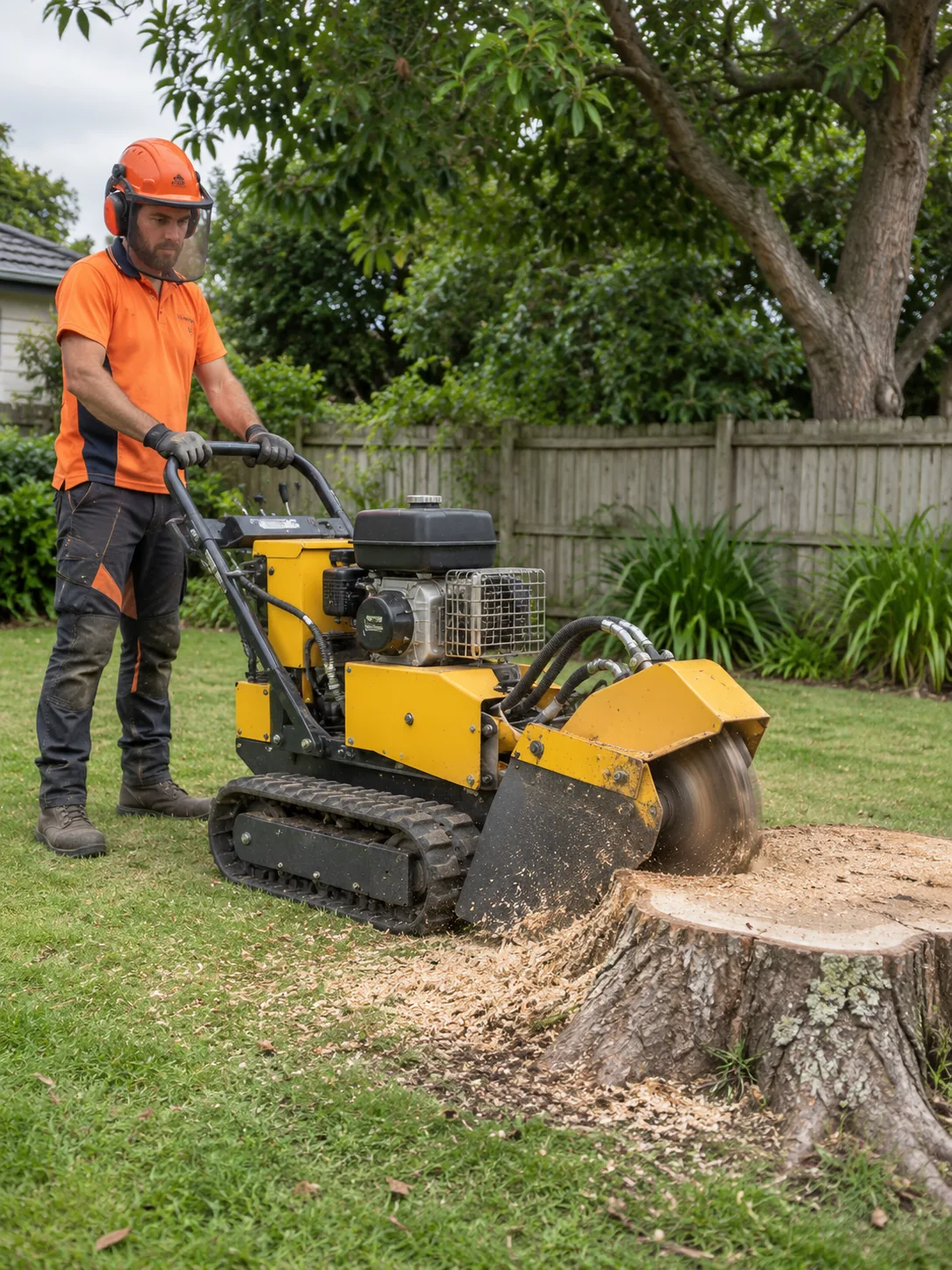
Many homeowners worry about the appearance of the property after a tree is removed. A good arborist can recommend replacement planting that will restore the look and function of the landscape without the safety risk. In some cases, stump grinding and new planting can be done in the same visit. The result is a safer, more manageable yard that still has plenty of greenery.
When to call a professional
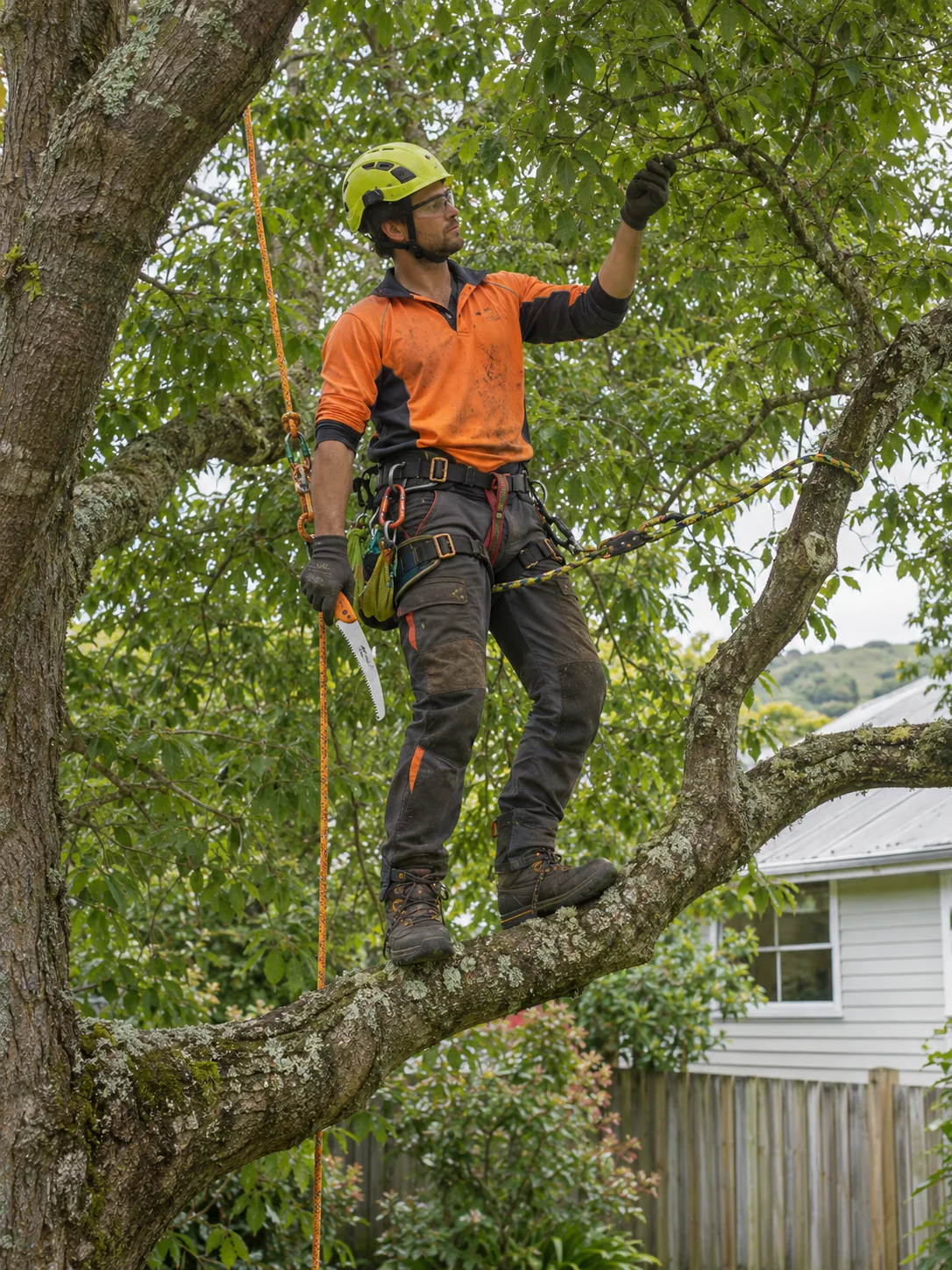
If you see any of the warning signs described here, the next step is to have a qualified arborist take a look. They have the training and equipment to assess the tree properly and to perform removal safely if that is what is needed. For residents in the region, Tree Removal Gisborne provides local expertise for tree assessments and removals. Their team can help you weigh the risks and make an informed decision.
Removing a tree is never the first choice, but when safety is at stake, it is the right one. A healthy tree adds value to a property. A dangerous one takes it away. Knowing when to make that call is part of being a responsible homeowner.
Tree Removal Gisborne on social media
 Facebook